Automate Your Marketing by 30%: A Step-by-Step Guide to AI-Powered Campaigns for 2026

The digital landscape is shifting fast, making it essential to Automate Your Marketing to stay competitive. In 2026, staying ahead means moving beyond basic workflows and embracing intelligent systems that handle the heavy lifting of modern outreach.
These advanced AI-driven strategies are no longer just a luxury; they are the engine behind high-performing, hyper-personalized customer journeys.
By integrating autonomous tools, you can streamline your operations and deliver resonant messages at scale without increasing your team’s workload.
This guide explores how smart campaign orchestration and predictive analytics are redefining efficiency for US-based brands. Discover the latest shifts in algorithmic optimization and learn how to secure a significant edge in this new era of programmatic growth.
The Imperative for Modern Marketing: AI Integration by 2026
The landscape of digital marketing is undergoing a profound transformation, driven by advancements in artificial intelligence. Businesses that fail to adapt risk being left behind in an increasingly competitive environment where efficiency and personalization are paramount.
Industry projections indicate that by 2026, a significant portion of marketing operations will be managed or heavily influenced by AI technologies.
This shift is not merely about adopting new tools but about fundamentally re-strategizing how campaigns are conceived, executed, and optimized.
The goal to Automate Your Marketing by 30% is no longer an ambitious dream but a strategic necessity. Companies are now actively seeking comprehensive roadmaps to integrate AI effectively, ensuring tangible returns on their technological investments.
Understanding the Core Principles of AI Marketing Automation
AI marketing automation involves leveraging artificial intelligence to streamline and enhance various marketing tasks, from data analysis to content creation and campaign deployment.
This integration allows for more precise targeting, improved customer experiences, and scalable operations.
At its heart, AI provides the capability to process vast amounts of data at speeds and scales impossible for human teams alone.
This enables marketers to identify patterns, predict customer behavior, and personalize interactions with unprecedented accuracy, leading to higher engagement and conversion rates.
The adoption of AI in marketing is not about replacing human creativity but augmenting it. AI tools handle repetitive and data-intensive tasks, freeing up human marketers to focus on strategic thinking, creative development, and complex problem-solving to Automate Your Marketing.
Key Pillars of AI-Powered Marketing
- Data Analysis and Insights: AI algorithms can quickly sift through customer data, market trends, and campaign performance metrics to uncover actionable insights, identifying opportunities and potential pitfalls.
- Content Personalization: AI enables dynamic content generation and delivery, tailoring messages, offers, and experiences to individual customer preferences and behaviors in real-time.
- Predictive Analytics: Utilizing historical data, AI can forecast future customer actions, such as purchase intent or churn risk, allowing marketers to proactively engage and retain customers.
These pillars collectively form the foundation upon which robust AI-powered marketing campaigns are built. Each component plays a crucial role in enhancing efficiency and effectiveness, driving towards the overarching objective to Automate Your Marketing.
Phase 1: Assessment and Strategy Development for AI Integration
The initial phase of integrating AI into marketing operations involves a thorough assessment of current processes and the development of a tailored strategy. This includes identifying specific pain points that AI can address and setting clear, measurable objectives.
Before any technology is implemented, organizations must evaluate their existing data infrastructure, talent capabilities, and overall marketing goals. A clear understanding of these elements is crucial for defining the scope and expected impact of AI adoption.
Developing a robust AI strategy requires cross-functional collaboration, involving marketing, IT, and data science teams.
This ensures that the chosen AI solutions align with broader business objectives and are technically feasible within the company’s ecosystem, helping to Automate Your Marketing.
Defining Your AI Marketing Objectives
By leveraging predictive scoring and personalized outreach, you can significantly improve customer acquisition, ensuring that lead generation and qualification are both smarter and faster.
This intelligence naturally extends into boosting customer retention, where AI identifies churn risks early and powers proactive service and loyalty programs to keep your audience connected.
Finally, these tools optimize campaign performance in real-time by automating A/B testing and budget allocation, maximizing your ROI across every digital channel.
Each objective should be quantifiable, allowing for clear performance tracking and evaluation of the AI initiatives. Establishing these targets early ensures that the AI implementation remains focused and delivers measurable value to the organization.
Phase 2: Data Infrastructure and Tool Selection
A solid data foundation is indispensable for any successful AI marketing initiative. This phase focuses on consolidating, cleaning, and structuring data to make it accessible and usable for AI algorithms, enabling efforts to Automate Your Marketing by 30%.
Organizations must invest in robust Customer Data Platforms (CDPs) or similar solutions that can centralize customer information from various touchpoints. This unified view of the customer is critical for AI to generate accurate insights and power personalized campaigns.
The selection of AI tools should be guided by the strategic objectives defined in Phase 1.
Marketers need to evaluate platforms for their capabilities in areas such as natural language processing (NLP), machine learning, and predictive modeling, ensuring they integrate seamlessly with existing systems.
Critical Considerations for Tool Selection
- Integration Capabilities: Ensure that new AI tools can integrate smoothly with your existing CRM, email marketing platforms, and advertising systems to avoid data silos.
- Scalability: Choose solutions that can grow with your business and handle increasing volumes of data and campaign complexity as your AI adoption matures.
- Vendor Support and Training: Opt for vendors that offer comprehensive support, training resources, and a clear roadmap for future feature development to maximize your investment.
Careful consideration of these factors will prevent costly mistakes and set the stage for effective AI deployment. The right tools, coupled with clean data, are the engine for successful AI-powered marketing campaigns, allowing you to Automate Your Marketing.
Phase 3: Implementation and Pilot Programs
With data infrastructure in place and tools selected, the next step involves the actual implementation of AI solutions, often starting with pilot programs. This approach allows organizations to test the waters, learn from initial deployments, and refine their strategies.
Pilot programs should target specific marketing functions or campaigns where the impact of AI can be clearly measured.
For example, a company might use AI to automate email subject line optimization for a particular product line or to enhance ad targeting for a specific demographic segment.
During this phase, continuous monitoring and feedback loops are essential. Regular analysis of performance metrics, coupled with qualitative feedback from marketing teams, will inform necessary adjustments and improvements before a broader rollout.
This iterative process is key to successfully Automate Your Marketing by 30%.
Executing Effective Pilot Programs
Clearly define the scope and objectives of each pilot, establishing baseline metrics and success indicators. This allows for an objective evaluation of the AI solution’s performance and its alignment with strategic goals.
Ensure that relevant teams are adequately trained on how to use and interpret the outputs of the AI tools. User adoption and understanding are critical for maximizing the value derived from these new technologies.
Document all findings, both successes and challenges, from the pilot programs. These insights will be invaluable for scaling AI initiatives across the organization and refining the overall strategy for long-term success in AI marketing automation.
Phase 4: Scaling AI Across Marketing Operations
Once pilot programs demonstrate clear success and value, the focus shifts to scaling AI across broader marketing operations.
This involves integrating AI into more channels, automating a wider range of tasks, and embedding AI insights into daily decision-making processes.
Scaling requires a systematic approach, often involving phased rollouts to ensure smooth transitions and minimize disruption. It’s crucial to maintain agility, adapting the implementation plan based on ongoing performance data and evolving market conditions.
Additionally, fostering a culture of continuous learning and experimentation within the marketing team is vital.
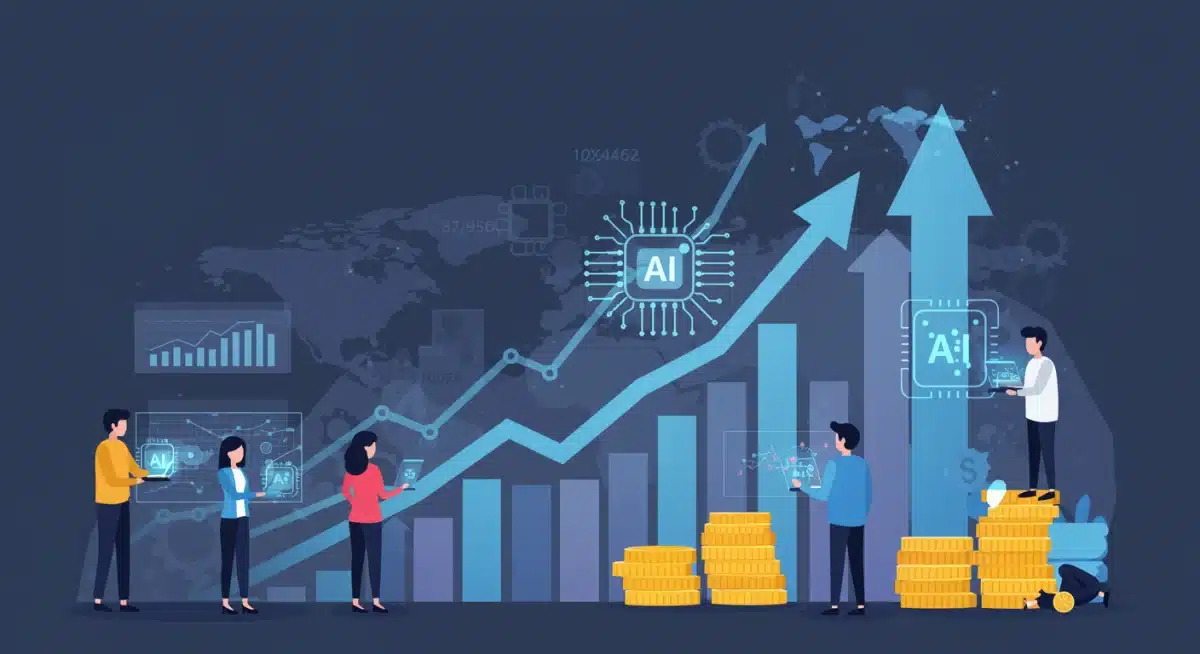
As AI capabilities advance, marketers must remain open to exploring new applications and optimizing existing ones to maximize the benefits of AI-powered campaigns and truly Automate Your Marketing by 30%.
Strategies for Successful AI Scaling
Prioritize areas with the highest potential impact and lowest implementation complexity first. This approach builds momentum and demonstrates quick wins, encouraging further adoption across the organization.
Establish a dedicated AI governance framework to oversee data privacy, ethical considerations, and model performance. This ensures that AI systems operate responsibly and effectively, maintaining trust and compliance.
Continuously measure and report on the ROI of AI initiatives. Quantifiable results not only justify ongoing investment but also highlight the tangible benefits of AI in achieving marketing goals and solidifying the ability to Automate Your Marketing.
Phase 5: Continuous Optimization and Future-Proofing
The journey to Automate Your Marketing by 30% does not end with implementation; it requires continuous optimization. AI models need regular training and updates to adapt to changing market dynamics, customer behaviors, and new data.
Performance monitoring tools and dashboards should be in place to track key metrics and identify areas for improvement. This proactive approach ensures that AI systems remain effective and continue to deliver optimal results over time.
Staying abreast of emerging AI technologies and trends is also critical for future-proofing your marketing strategy. The field of AI is rapidly evolving, and embracing new innovations will provide a sustained competitive advantage for businesses aiming to automate their marketing processes.
Maintaining Peak AI Performance
- Regular Model Retraining: Periodically retrain AI models with fresh data to ensure their predictions and recommendations remain accurate and relevant.
- A/B Testing AI Outputs: Continuously test different AI configurations and outputs to identify the most effective strategies for various campaigns and audiences.
- Explore New AI Applications: Actively research and experiment with new AI advancements, such as generative AI for content creation or advanced predictive analytics for nuanced customer segmentation.
By committing to continuous optimization, businesses can ensure their AI-powered marketing campaigns remain at the forefront of innovation. This dedication to refinement is what truly drives the long-term success of AI integration.
Ethical Considerations and Responsible AI in Marketing
As AI becomes more embedded in marketing, ethical considerations and responsible usage come to the forefront. Ensuring transparency, fairness, and privacy in AI-powered campaigns is not just a regulatory requirement but a fundamental aspect of building customer trust.
Companies must establish clear guidelines for how AI uses customer data, ensuring compliance with privacy regulations like GDPR and CCPA. Transparency in AI’s decision-making processes helps build confidence and mitigates potential biases that could alienate customers.
Responsible AI also involves actively identifying and mitigating algorithmic biases that could lead to discriminatory marketing practices. Regular audits and ethical reviews of AI systems are crucial to upholding these standards and ensuring that efforts to Automate Your Marketing by 30% are conducted ethically.
Key Ethical Principles for AI Marketing
Prioritize data privacy and security, implementing robust measures to protect customer information used by AI systems. Clearly communicate data usage policies to customers, fostering an environment of trust and transparency.
Actively work to identify and correct any biases within AI algorithms that could lead to unfair or discriminatory targeting. Regular ethical reviews and diverse data inputs can help mitigate these risks effectively.
Maintain human oversight over critical AI-driven decisions, especially those with significant customer impact. AI should augment human judgment, not replace it entirely, ensuring accountability and ethical governance in all marketing activities.
| Key Point | Brief Description |
|---|---|
| Strategic Imperative | AI marketing automation is essential for competitiveness by 2026. |
| Phased Implementation | Start with assessment, data, pilot programs, then scale and optimize. |
| Data Foundation | Clean, centralized data is crucial for effective AI-powered campaigns. |
| Ethical AI | Prioritize privacy, fairness, and transparency in all AI marketing efforts. |
Frequently Asked Questions About AI Marketing Automation
It means leveraging AI tools to handle approximately 30% of your current marketing tasks, such as data analysis, content personalization, and campaign optimization. This frees up human resources for more strategic work, boosting efficiency and overall campaign effectiveness for businesses in the US.
By 2026, AI technologies are expected to reach a maturity level where their integration into marketing becomes not just beneficial but essential for competitive advantage. Early adopters will have significant leads in personalization, efficiency, and market penetration, especially in the US context.
Begin with a comprehensive assessment of your current marketing processes and data infrastructure. Define clear objectives for AI integration, select appropriate tools that align with your goals, and start with small, measurable pilot programs before scaling up.
AI analyzes vast datasets to understand individual customer preferences, behaviors, and purchase histories. This allows for dynamic content creation, personalized recommendations, and targeted messaging delivered at optimal times, significantly enhancing the customer experience and driving engagement.
Key concerns include data privacy, algorithmic bias, and transparency. Marketers must ensure compliance with regulations, actively work to mitigate biases in AI models, and maintain human oversight to ensure ethical and responsible use of AI in all campaigns.
Looking Ahead: The Evolving Role of AI in Marketing
The journey to Automate Your Marketing by 30% represents a dynamic shift, not a static destination. The ongoing evolution of AI demands continuous adaptation and strategic foresight from marketing leaders.
As AI tools become more sophisticated, the focus will increasingly shift towards human-AI collaboration, where AI handles the heavy lifting of data and repetitive tasks, allowing human creativity and strategic thinking to thrive.
Businesses that embrace this paradigm shift and proactively invest in AI training for their teams will be best positioned to capitalize on the immense potential of automated campaigns.
The competitive edge gained by early and effective AI adoption will be substantial, reshaping market leadership in the coming years.
Monitoring emerging AI capabilities, adapting ethical guidelines, and fostering a culture of innovation will be critical for sustained success. The future of marketing is undeniably intelligent, and the path to 2026 is paved with strategic AI integration.