Cyber-Physical Systems: Securing U.S. Critical Infrastructure Against 2026’s Emerging Threats
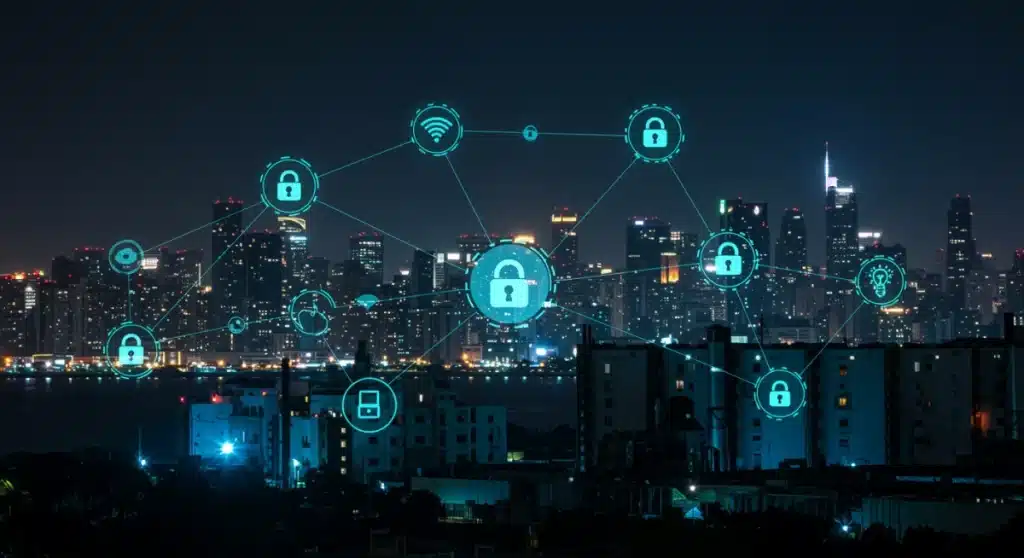
As 2026 unfolds, the fusion of digital intelligence and industrial hardware has reached a tipping point. Securing U.S. Critical Infrastructure is now a fundamental pillar of national resilience against a new breed of hyper-automated, AI-driven threats.
Recent federal directives signal a decisive shift toward aggressive deterrence. Protecting vital domestic assets requires a “secure-by-design” philosophy that shields everything from the energy grid to autonomous utilities against sophisticated, state-sponsored disruption.
This landscape demands a proactive leap beyond traditional defense. To effectively safeguard the nation’s essential services, leaders must prioritize zero-trust architectures to ensure our economy’s invisible nerves remain resilient in an increasingly volatile environment.
The Evolving Threat Landscape for Cyber-Physical Systems
The threat landscape targeting Cyber-Physical Systems (CPS) is undergoing rapid transformation, driven by geopolitical tensions, technological advancements, and the increasing interconnectedness of critical infrastructure.
Nation-state actors and sophisticated criminal organizations are continuously probing for weaknesses.
These adversaries are no longer content with data theft; their objectives now often include disruption, degradation, or even destruction of physical assets. This shift necessitates a re-evaluation of traditional cybersecurity paradigms to encompass the physical consequences of cyberattacks.
The year 2026 serves as a crucial benchmark, highlighting the need for immediate and sustained action to protect the foundational services that underpin the U.S. economy and society. The stakes are undeniably high.
Advanced Persistent Threats (APTs) Targeting CPS
Advanced Persistent Threats (APTs) represent a significant and growing danger to CPS. These highly organized and well-resourced groups conduct multi-stage attacks, often maintaining long-term access to compromised networks to achieve strategic objectives.
Their tactics include supply chain infiltration, zero-day exploits, and sophisticated social engineering, making detection and eradication exceptionally challenging.
Securing U.S. Critical Infrastructure requires an understanding of these persistent threats.
- Sophisticated reconnaissance and intelligence gathering on target systems.
- Exploitation of software vulnerabilities, often custom-developed.
- Maintaining covert access for extended periods to achieve strategic goals.
- Targeting operational technology (OT) alongside traditional IT networks.
The Rise of Ransomware and Destructive Malware
Ransomware, once primarily a nuisance for corporate networks, has now become a direct threat to critical infrastructure. Attacks like those on Colonial Pipeline demonstrated the profound real-world impact these incidents can have, leading to fuel shortages and economic disruption.
Beyond financial extortion, the potential for destructive malware, designed to permanently damage or disable industrial control systems, is a grave concern.
Such attacks could have catastrophic consequences for public safety and national resilience, underscoring the urgency of Securing U.S. Critical Infrastructure.
The proliferation of these tools, often available on dark web forums, lowers the barrier to entry for less sophisticated malicious actors, making the defense of critical infrastructure all the more complex.
Vulnerabilities in U.S. Critical Infrastructure
U.S. critical infrastructure, encompassing sectors like energy, water, transportation, and healthcare, relies heavily on Cyber-Physical Systems. Many of these systems, however, were not designed with modern cybersecurity threats in mind, leading to inherent vulnerabilities.
Legacy systems, often decades old, lack contemporary security features and patches, making them attractive targets for adversaries. The sheer complexity and interconnectedness of these systems also create a vast attack surface that is difficult to monitor and protect comprehensively.
Addressing these deep-seated vulnerabilities is central to the mission of Securing U.S. Critical Infrastructure. It requires significant investment, technological upgrades, and a cultural shift towards security-by-design principles.
Aging Infrastructure and Legacy Systems
A significant portion of U.S. critical infrastructure operates on aging equipment and legacy control systems. These systems were often developed in an era when direct internet connectivity and sophisticated cyberattacks were not primary concerns.
Updating or replacing these systems is a monumental task, often hampered by cost, operational disruption, and the specialized knowledge required. This creates a persistent challenge for Securing U.S. Critical Infrastructure
- Lack of modern security protocols and encryption.
- Difficulty in patching or updating due to operational constraints.
- Vulnerability to common, well-known exploits.
- Limited visibility into system behavior and potential intrusions.
Interdependencies and Supply Chain Risks
Critical infrastructure sectors are not isolated; they are deeply interdependent. An attack on one sector, such as the power grid, can have cascading effects across transportation, water supply, and communication networks.
Furthermore, the globalized supply chain for industrial control systems and software introduces significant risk. Malicious code or compromised hardware can be embedded at any stage, making it challenging to establish trust in components and services.
This complex web underscores the challenge of Securing U.S. Critical Infrastructure.
Vigilance across the entire supply chain, from design to deployment and maintenance, is crucial to mitigating these systemic risks to national infrastructure.
Strategic Responses and Protective Measures
Recognizing the escalating threats, the U.S. government, in collaboration with industry partners, is implementing a multi-faceted approach to bolster the security of Cyber-Physical Systems. These strategies involve policy development, technological innovation, and enhanced information sharing.
Key initiatives focus on improving threat intelligence, strengthening defensive capabilities, and fostering a culture of cybersecurity awareness across all critical sectors.
The goal is to move from a reactive stance to a more proactive and resilient one in safeguarding Securing U.S. Critical Infrastructure.
These efforts are not static; they are continuously adapting to the evolving threat landscape, reflecting a dynamic commitment to national security.
Government Initiatives and Regulatory Frameworks
The U.S. government has launched several initiatives aimed at strengthening CPS security.
Executive Orders, such as those focusing on improving the nation’s cybersecurity, mandate enhanced information sharing and establish baseline security requirements for critical infrastructure operators.
Agencies like CISA (Cybersecurity and Infrastructure Security Agency) are playing a pivotal role in coordinating these efforts, providing guidance, and offering direct assistance to critical infrastructure entities.
These regulatory frameworks are vital for Securing U.S. Critical Infrastructure.
New regulations and standards are continuously being developed to address specific sector vulnerabilities and promote a uniform level of security across diverse infrastructure components.
Technological Advancements in CPS Security
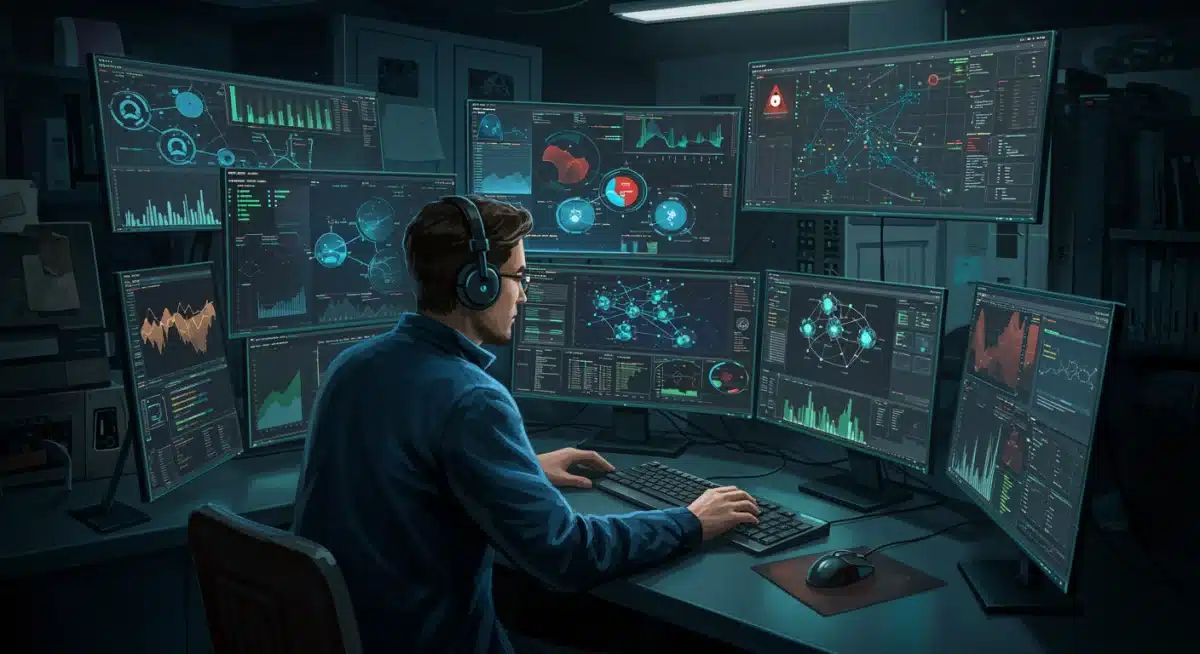
Technological innovation is at the forefront of defense strategies. This includes the development and deployment of advanced intrusion detection systems, behavioral analytics, and artificial intelligence-driven threat prediction tools.
These technologies are designed to identify anomalous activities within complex OT environments.
Furthermore, the adoption of zero-trust architectures, micro-segmentation, and hardware-based security modules is gaining traction to limit the lateral movement of adversaries within networks. These advancements are crucial for Securing U.S. Critical Infrastructure.
- Deployment of AI for anomaly detection in operational data.
- Implementation of robust network segmentation to isolate critical processes.
- Enhanced endpoint protection for industrial control systems.
- Development of quantum-resistant cryptographic solutions for future proofing.
Collaboration and Information Sharing
No single entity can secure critical infrastructure alone. Effective protection of Cyber-Physical Systems relies heavily on robust collaboration and timely information sharing between government agencies, private sector operators, and international partners.
Public-private partnerships are essential for sharing threat intelligence, best practices, and lessons learned from incidents. This collaborative ecosystem helps create a more informed and agile defense against common adversaries.
Such cooperation is fundamental to the collective effort of Securing U.S. Critical Infrastructure, ensuring that knowledge and resources are effectively leveraged across the entire security landscape.
Public-Private Partnerships and ISACs
Information Sharing and Analysis Centers (ISACs) serve as critical hubs for threat intelligence exchange within specific sectors. These organizations facilitate the rapid dissemination of vulnerability alerts, attack indicators, and mitigation strategies among their members.
Government programs also encourage voluntary partnerships, providing resources and expertise to private companies responsible for operating critical assets.
These partnerships are vital for Securing U.S. Critical Infrastructure, fostering a unified front against cyber adversaries.
The success of these partnerships hinges on trust, mutual understanding, and a shared commitment to national security objectives, transcending competitive boundaries.
International Cooperation in Cybersecurity
Cyber threats are borderless, necessitating strong international cooperation. The U.S. actively collaborates with allies to share threat intelligence, conduct joint exercises, and develop common standards for cybersecurity.
Agreements and forums with international partners aim to deter malicious state-sponsored activities and strengthen collective defense capabilities. This global perspective is indispensable for Securing U.S. Critical Infrastructure.
These diplomatic and technical collaborations help build a more secure global cyberspace, reducing safe havens for cybercriminals and state-backed hackers.
Building Resilience and Workforce Development
Beyond preventing attacks, building resilience within critical infrastructure is paramount. This involves designing systems that can withstand and rapidly recover from cyber incidents, minimizing disruption and ensuring continuity of essential services.
A critical component of this resilience is a skilled cybersecurity workforce capable of defending, detecting, and responding to sophisticated threats. The current shortage of qualified professionals poses a significant challenge to Securing U.S. Critical Infrastructure.
Investing in education, training, and recruitment programs is essential to develop the talent pool needed to protect these vital national assets effectively.
Incident Response and Recovery Planning
Effective incident response and recovery planning are non-negotiable for critical infrastructure operators. This includes developing detailed playbooks, conducting regular drills, and establishing clear communication channels for crisis management.
The ability to quickly detect an intrusion, contain its spread, and restore affected systems is crucial for minimizing downtime and impact. These plans are fundamental to Securing U.S. Critical Infrastructure, ensuring operational continuity.
Emphasis is placed on learning from each incident, refining procedures, and continuously improving the overall resilience posture against future attacks.
Addressing the Cybersecurity Talent Gap
The cybersecurity talent gap remains a pressing issue across all sectors, particularly for the specialized field of operational technology security. There is a critical need for engineers and specialists who understand both IT and OT environments.
Initiatives to attract, train, and retain cybersecurity professionals are underway, including academic programs, apprenticeships, and government scholarships. Filling this gap is essential for Securing U.S. Critical Infrastructure.
- Developing specialized curricula for OT cybersecurity.
- Offering incentives for careers in critical infrastructure defense.
- Promoting continuous professional development and certification.
- Expanding diversity and inclusion in the cybersecurity workforce.
Emerging Threats and Future Considerations for 2026
As 2026 approaches, new technological advancements and geopolitical shifts will introduce fresh challenges and threats to Cyber-Physical Systems. Quantum computing, artificial intelligence, and the proliferation of IoT devices will fundamentally alter the cybersecurity landscape.
Adversaries will likely leverage these same technologies to develop more potent and evasive attack methods. Staying ahead of these emerging threats requires continuous research, foresight, and adaptive defense strategies for Securing U.S. Critical Infrastructure.
The next few years will demand even greater agility and innovation in securing the nation’s most vital assets against unforeseen risks.
Impact of AI and Quantum Computing
Artificial intelligence (AI) presents a dual-use challenge for cybersecurity.
While AI can enhance defensive capabilities through advanced threat detection and automated response, it can also be weaponized by adversaries to create more sophisticated malware and conduct highly targeted attacks.
Quantum computing, though still nascent, holds the potential to break current cryptographic standards, rendering much of today’s secure communication vulnerable. Preparing for a quantum-safe future is a long-term but critical consideration for Securing U.S. Critical Infrastructure.
Investment in post-quantum cryptography research and development is crucial to ensure long-term data confidentiality and integrity.
The Internet of Things (IoT) and Edge Computing
The exponential growth of IoT devices, from smart sensors in industrial facilities to interconnected infrastructure components, significantly expands the attack surface for CPS. Many IoT devices often lack robust security features, making them easy entry points for attackers.
The move towards edge computing, while offering benefits in terms of latency and bandwidth, also distributes processing and data closer to the physical environment, creating new security challenges.
Securing these distributed environments is critical for Securing U.S. Critical Infrastructure.
Implementing strong access controls, continuous monitoring, and secure device lifecycle management are essential for mitigating these risks.
Proactive Defense Strategies for Critical Sectors
A proactive defense strategy involves anticipating threats rather than merely reacting to them. This approach integrates continuous vulnerability assessments, penetration testing, and red-teaming exercises to identify and remediate weaknesses before they can be exploited.
It also emphasizes the importance of threat hunting, actively searching for signs of compromise within networks rather than waiting for alerts. Such vigilance is key to Securing U.S. Critical Infrastructure.
By adopting a proactive posture, critical infrastructure operators can significantly reduce their exposure to emerging cyber threats and enhance their overall security readiness.
Risk Management and Threat Intelligence Integration
Effective risk management requires a comprehensive understanding of potential threats, vulnerabilities, and their potential impact on operational continuity. This involves conducting regular risk assessments and prioritizing mitigation efforts based on criticality and likelihood.
Integrating real-time threat intelligence into security operations allows organizations to stay informed about the latest attack techniques and indicators of compromise. This continuous feedback loop is crucial for Securing U.S. Critical Infrastructure.
By leveraging actionable intelligence, defenders can implement preventative controls and adjust their security posture to counter evolving threats more effectively.
Security-by-Design and System Hardening
Adopting a security-by-design philosophy means embedding security considerations into every stage of a system’s lifecycle, from initial design to deployment and maintenance. This approach reduces the likelihood of introducing vulnerabilities from the outset.
System hardening involves configuring systems to minimize their attack surface, disabling unnecessary services, and applying the principle of least privilege. These foundational security practices are essential for Securing U.S. Critical Infrastructure.
- Implementing secure coding practices for all software development.
- Regularly auditing configurations against security benchmarks.
- Applying patches and updates promptly to address known vulnerabilities.
- Utilizing multi-factor authentication for all access points.
| Key Point | Brief Description |
|---|---|
| Evolving Threats | APTs and ransomware increasingly target critical infrastructure with destructive intent. |
| System Vulnerabilities | Aging infrastructure, legacy systems, and supply chain risks create significant exposure. |
| Strategic Defenses | Government initiatives, technological advancements, and public-private partnerships are key. |
| Future Challenges | AI, quantum computing, and IoT proliferation introduce new attack vectors for 2026. |
Frequently Asked Questions About CPS Security
Cyber-Physical Systems (CPS) are integrations of computation, networking, and physical processes. Embedded computers and networks monitor and control the physical processes, often with feedback loops where physical processes affect computations and vice versa. They are fundamental to modern critical infrastructure sectors like energy, transportation, and manufacturing.
The urgency stems from the increasing sophistication and frequency of cyberattacks, coupled with the growing reliance on interconnected CPS within critical sectors. By 2026, threats from nation-state actors and cybercriminals are projected to escalate, demanding enhanced defenses to prevent widespread disruption and protect national security and economic stability.
Key threats include Advanced Persistent Threats (APTs) from sophisticated adversaries, ransomware attacks aiming for disruption or financial gain, and destructive malware designed to damage physical infrastructure. Supply chain compromises and insider threats also pose significant risks, exploiting vulnerabilities in interconnected systems.
The U.S. government is implementing comprehensive strategies, including new executive orders, regulatory frameworks, and enhanced collaboration with the private sector through initiatives like CISA. Efforts focus on improving threat intelligence sharing, bolstering defensive capabilities, fostering workforce development, and promoting security-by-design principles across critical infrastructure.
Organizations must adopt robust cybersecurity practices, invest in employee training, and participate in information-sharing forums. Individuals can contribute by maintaining cyber hygiene, reporting suspicious activities, and advocating for stronger security policies. Collective vigilance and proactive measures are essential to reinforce the nation’s overall resilience against cyber threats to critical infrastructure.
Impact and Implications
The ongoing efforts to strengthen Securing U.S. Critical Infrastructure represent a continuous and dynamic challenge. The implications of failure are profound, ranging from economic paralysis to public safety crises.
What happens now involves sustained investment in technology, human capital, and collaborative frameworks.
We must watch for the effectiveness of new regulatory mandates, the speed of technology adoption, and the ability to attract and retain a specialized cybersecurity workforce. The resilience of our critical infrastructure hinges on these proactive measures.